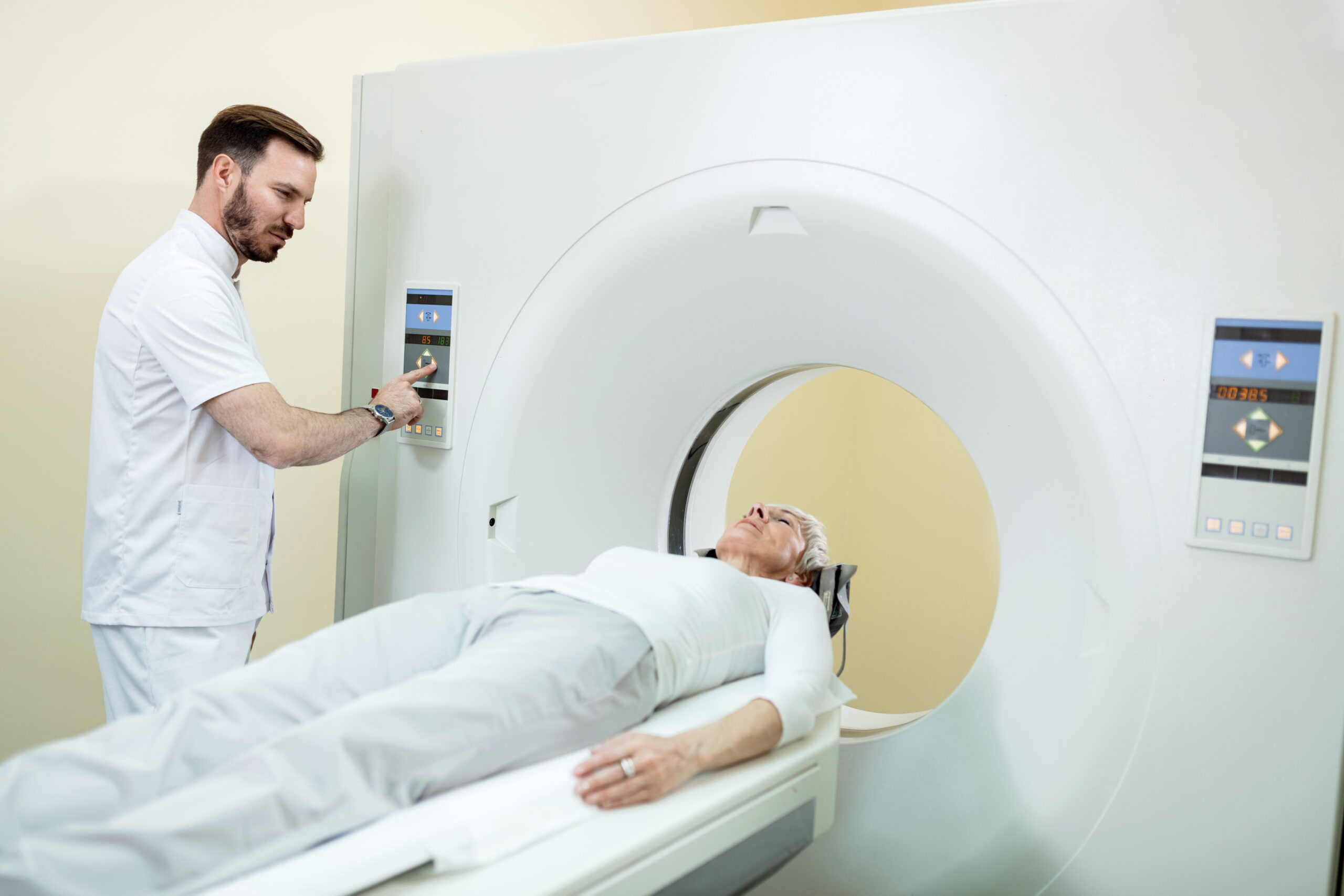
MRI CPT codes are vital to the Radiology billing process, playing an essential role in accurately capturing the services provided during magnetic resonance imaging. For healthcare providers, understanding MRI CPT codes can ensure correct billing, smooth reimbursement, and proper insurance claim processing. This guide will explain MRI CPT codes in detail, providing insights on how they help streamline the billing process, avoid denials, and maximize revenue.
What Are MRI CPT Codes?
CPT, or Current Procedural Terminology, codes are used by medical professionals and healthcare providers to document and communicate medical procedures to insurance companies for reimbursement. MRI CPT codes specifically refer to codes that define MRI scans conducted on various parts of the body, such as the brain, spine, chest, and extremities. Each procedure is associated with a unique code that identifies the specific MRI study performed.
The use of MRI codes is crucial for the accurate billing of MRI services. These codes help ensure that insurance companies reimburse healthcare providers correctly for the procedures performed. Misuse or misunderstanding of MRI CPT codes can lead to delayed or denied claims, resulting in revenue loss for healthcare providers.
Why Are MRI CPT Codes Important in Radiology Billing?
MRI CPT codes serve as the primary method of communication between healthcare providers and insurance companies. These codes are not only necessary for proper billing but also essential for maintaining compliance with insurance requirements and healthcare regulations. Additionally, the correct use of CPT codes helps:
- Ensure proper documentation: Accurate CPT codes ensure that all procedures are well-documented and that no essential steps are overlooked.
- Facilitate insurance claims processing: Correctly assigned CPT codes ensure faster and more efficient processing of insurance claims.
- Maximize reimbursements: Proper coding helps healthcare providers avoid underpayment and claim denials by making sure that every aspect of the procedure is covered.
- Provide clarity: By using specific CPT codes, healthcare professionals can easily explain the procedures conducted, avoiding confusion and potential disputes.
Commonly Used MRI CPT Codes
MRI CPT codes are divided based on the region of the body being imaged and whether contrast material is used. Below are some of the most commonly used MRI CPT codes for various body areas:
Brain and Neck MRI CPT Codes
- 70551: MRI of the brain without contrast—standard brain imaging to detect abnormalities.
- 70553: MRI of the brain with and without contrast—enhanced scan providing a detailed view.
- 70544: MRI of the neck without contrast—for imaging neck conditions.
- 70547: MRI of the neck with and without contrast—comprehensive imaging of the neck area.
Spine MRI CPT Codes
- 72141: MRI of the lumbar spine without contrast—for evaluating lower back pain and conditions.
- 72146: MRI of the cervical spine without contrast—imaging for neck pain and cervical spine issues.
- 72157: MRI of the thoracic spine with and without contrast—enhanced scan for detailed imaging of the mid-back.
Joint MRI CPT Codes
- 73221: MRI of the upper extremity joint without contrast—for shoulder, elbow, and wrist joint issues.
- 73223: MRI of the upper extremity joint with contrast—enhanced joint imaging.
- 73723: MRI of the lower extremity joint with contrast—for knee, hip, and ankle joint conditions.
Extremity MRI CPT Codes
- 73718: MRI of the thigh without contrast—for assessing muscle, tendon, and bone abnormalities in the thigh.
- 73218: MRI of the shoulder joint without contrast—commonly used to diagnose shoulder issues.
- 73507: MRI of the foot with contrast—for diagnosing complex foot problems, including ligament and bone conditions.
Abdomen MRI CPT Codes
- 74181: MRI of the abdomen without contrast—for assessing abdominal conditions like liver and kidney issues.
- 74160: MRI of the abdomen with contrast—enhanced scan for a clearer view of abdominal structures.
- 74176: MRI of the abdomen and pelvis without contrast—comprehensive imaging of the abdominal and pelvic areas.
Pelvis MRI CPT Codes
- 72195: MRI of the pelvis without contrast—imaging for conditions related to the pelvic organs and surrounding tissues.
- 72197: MRI of the pelvis with contrast-enhanced
- Scan for more detailed pelvic imaging.
How to Correctly Use MRI CPT Codes
To ensure proper reimbursement and avoid claim denials, healthcare providers must use MRI codes correctly. Here are a few best practices:
1. Understand the Specific Procedure
Before assigning a CPT code, it is important to clearly understand the procedure performed. MRI scans can be conducted with or without contrast material, which plays a role in determining the correct CPT code. Always ensure that the right code corresponds to the specific MRI procedure carried out.
2. Document Every Detail
Accurate documentation is essential for correct CPT coding. Ensure that all relevant details, such as the area being imaged, whether contrast material was used, and any special techniques used, are properly documented. This information helps confirm the choice of the correct MRI CPT code.
3. Use Modifiers When Necessary
Modifiers are often required when additional procedures or special circumstances apply. For example, if a patient needs multiple MRI scans during one visit, the appropriate modifier should be added to reflect the additional procedure. Understanding when and how to use modifiers ensures proper billing and minimizes the risk of claim denials.
4. Stay Updated with Coding Guidelines
CPT codes are subject to annual updates, which means that codes and billing rules change over time. Providers should stay informed about the latest changes to ensure they are using the correct MRI CPT codes. Regular training and reference to the current coding guidelines can help prevent errors.
Conclusion Of MRI CPT Codes
MRI CPT codes are integral to the healthcare billing process. Understanding these codes is essential for ensuring accurate documentation, avoiding claim denials, and maximizing reimbursements. By using the correct MRI CPT codes, healthcare providers can streamline their billing process, improve efficiency, and ensure proper reimbursement. Stay updated on the latest codes and guidelines to ensure your radiology billing practice remains compliant and financially healthy.
FAQs About MRI CPT Codes
Q1: What is the difference between MRI codes with and without contrast?
MRI CPT codes with contrast involve the use of a contrast material (usually gadolinium) injected into the patient to enhance the visibility of certain structures. Codes for MRI procedures without contrast do not use any contrast material.
Q2: How often are MRI CPT codes updated?
MRI CPT codes are typically updated annually by the American Medical Association (AMA). It is important for healthcare providers to review these updates to ensure they are using the most accurate codes for billing.
Q3: Can MRI CPT codes be used for both adults and children?
Yes, MRI CPT codes can be used for both adults and children. However, some codes may have age-specific variations depending on the procedure and clinical indications.
Q4: Do CPT codes apply to all types of MRI scans?
CPT codes apply to most types of MRI scans, but it is important to select the correct code based on the area being imaged and whether contrast material is used. Always refer to the specific guidelines for each type of scan to ensure accurate billing.
Q5: Why is it important to use the correct MRI CPT codes?
Using the correct MRI CPT codes ensures accurate billing, timely reimbursements, and compliance with healthcare regulations. Incorrect codes can lead to claim denials, delays in payment, and potential compliance issues.