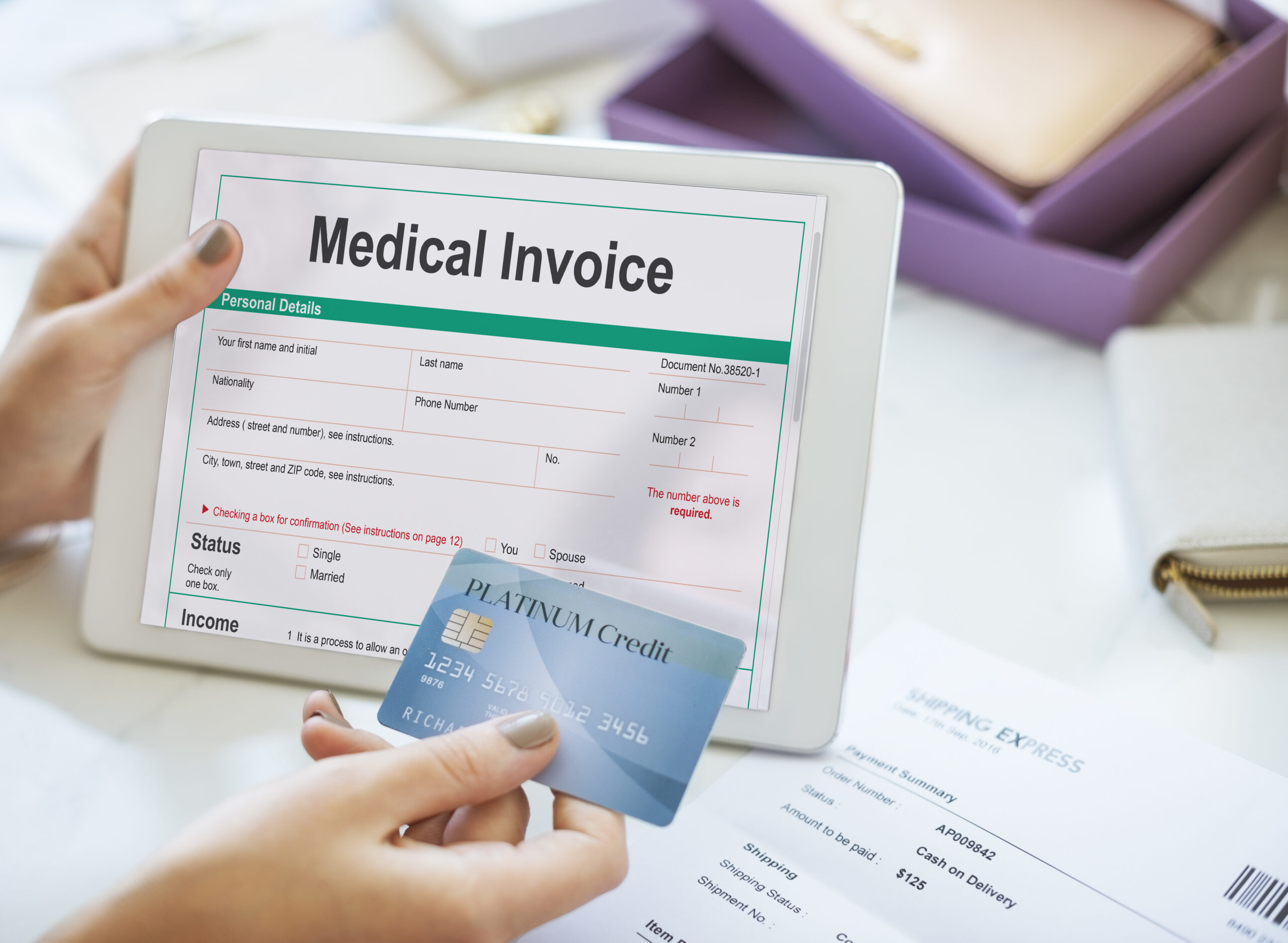
POS 11 in medical billing is crucial for ensuring smooth reimbursement processing. One of the most commonly used codes in outpatient settings, POS 11 is specifically designed for services rendered in a physician’s office, impacting both billing efficiency and reimbursement accuracy. Understanding POS 11 and how to properly use it can help prevent claim denials, speed up payments, and maintain compliance with payer guidelines. In this article, we’ll dive into the importance of POS 11 in Medical billing, including its definition, uses, and tips for accurate billing practices.
What is POS 11 in medical billing?
POS 11 in medical billing refers to services provided in a physician’s office, specifically outpatient care that takes place outside of a hospital facility. This POS code helps insurance companies determine the appropriate reimbursement rate for services rendered in a doctor’s office. The POS 11 code is used for routine visits, physical exams, minor procedures, diagnostic tests, and other healthcare services typically delivered in a physician’s office. The choice of POS 11 impacts the reimbursement rate, as services rendered in a physician’s office are usually reimbursed at a higher rate compared to similar services provided in outpatient hospital settings (POS 22) or ambulatory surgical centers (POS 24).
Understanding the Importance of POS 11 in Medical Billing
In medical billing, accuracy is key. The use of the correct POS code determines how much healthcare providers get reimbursed for their services. POS 11 plays a significant role in ensuring that physicians are properly reimbursed for services performed in their offices. Using the correct POS code helps reduce claim rejections, streamline the billing process, and enhance the financial efficiency of healthcare practices.
Key Benefits of Correct POS 11 Use in Medical Billing:
- Maximized Reimbursement: Services provided in a physician’s office (POS 11) typically receive a higher reimbursement compared to hospital outpatient services, as operating costs in a private office setting are generally lower.
- Prevention of Claim Denials: Incorrectly using the wrong POS code can result in claim denials. Using POS 11 ensures accurate reporting, reducing the likelihood of delays or rejections.
- Efficient Revenue Cycle Management: Proper usage of POS codes like POS 11 allows healthcare providers to maintain a smooth revenue cycle, leading to timely payments and reducing administrative overhead.
POS 11 Description in Medical Billing
POS 11 in medical billing is used to report services provided in an office setting, whether for routine physical exams, diagnostic tests, or minor outpatient procedures. This code helps ensure that the correct reimbursement rate is applied for outpatient services that occur within a private practice, not a hospital setting.
The POS 11 in medical billing code covers a broad range of services, such as
- Routine Office Visits: Whether it’s a preventive care visit, annual physical, or follow-up appointment, POS 11 is used to report these services.
- Diagnostic Tests: Blood work, vaccinations, and other basic diagnostic screenings performed in the physician’s office are billed under POS 11.
- Minor Procedures: Small medical procedures like mole removal, skin biopsies, and simple dermatological treatments are included in POS 11.
By using POS 11, healthcare providers can accurately reflect the location of the services provided, helping to ensure that reimbursement rates are appropriate and in line with what is expected for office-based visits.
Best Practices for Using POS 11 in Medical Billing
While POS 11 is straightforward, healthcare providers must adhere to best practices to avoid billing errors and claim denials. Below are some practical tips to ensure that POS 11 in medical billing is used accurately.
1. Know the Services That Fall Under POS 11
Before using POS 11, healthcare providers should ensure that the services provided meet the criteria for office-based care. POS 11 should only be used for outpatient care provided in a physician’s office. Services provided in other locations, such as urgent care centers or hospitals, should be billed with different POS codes, such as POS 20 (Urgent Care) or POS 22 (Outpatient Hospital).
2. Verify the Location of Service
To avoid any misclassification, always verify the location where the service is provided. Services performed in a private physician’s office should be designated with POS 11, while services performed in a hospital or urgent care setting should use the appropriate POS code for that location. The POS 11 code is specifically reserved for outpatient services performed in a doctor’s office, not in hospitals or other healthcare facilities.
3. Stay Compliant with CMS Guidelines
The Centers for Medicare & Medicaid Services (CMS) regularly updates guidelines on POS coding. Staying up-to-date with these guidelines is critical for avoiding errors and ensuring compliance. Regular training for billing staff is essential for keeping abreast of changes in POS coding requirements.
4. Double-Check Documentation
When using POS 11, it’s crucial to document the service appropriately in patient records. Include relevant details such as patient history, examination findings, and the reasoning behind the diagnosis and treatment plan. Comprehensive documentation supports the use of POS 11 and ensures that the medical necessity of the service is clearly communicated to insurers.
5. Conduct Regular Audits
Performing regular audits of billing practices is essential for identifying and correcting any inconsistencies in the use of POS 11. An audit checklist can help ensure that all claims are properly coded and compliant with regulations, reducing the chances of denied claims or payment delays.
Common Mistakes to Avoid with POS 11
Even experienced healthcare providers can occasionally make mistakes when applying POS 11 in medical billing. Here are some of the most common errors to avoid:
1. Using POS 11 for Inpatient Services
One of the most frequent errors in medical billing is using POS 11 for inpatient services. This code is only applicable for outpatient services provided in a physician’s office, not for inpatient services at a hospital. Using POS 11 inappropriately can result in claim denials and delayed payments.
2. Misclassifying the Service Location
It’s easy to confuse POS 11 with other codes like POS 22 (Outpatient Hospital) or POS 20 (Urgent Care Facility). Always ensure that the location of service is correctly identified to prevent claim rejections.
3. Incomplete Documentation
Another common mistake is incomplete or insufficient documentation of the services provided under POS 11. Make sure that all necessary clinical notes, diagnostic tests, and treatment plans are well-documented and justify the use of POS 11.
What is the reimbursement rate for POS 11?
The reimbursement rate for POS 11 varies depending on several factors, including the payer, the service provided, and the geographic location of the practice. However, in general, POS 11 services tend to be reimbursed at a higher rate compared to hospital outpatient services. This is because the overhead costs in a physician’s office are typically lower than in a hospital setting.
Healthcare providers should check with insurance companies and Medicare to understand the specific reimbursement rates for POS 11 services in their region.
How to Maximize Reimbursement with POS 11
To maximize reimbursement when using POS 11, healthcare providers should:
- Ensure accurate coding: Always use POS 11 when services are provided in a physician’s office, and ensure that all relevant documentation is complete and accurate.
- Verify insurance coverage: Confirm that the patient’s insurance covers the service provided and obtain prior authorization if necessary.
- Stay up-to-date: Regularly check CMS guidelines and payer policies to ensure that coding and documentation practices are compliant with current standards.
- Monitor and audit regularly: Conduct regular audits to ensure that claims are correctly submitted, reducing the chances of denials and improving cash flow.
Conclusion
In conclusion, POS 11 in medical billing is essential for ensuring that healthcare providers are accurately reimbursed for outpatient services rendered in a physician’s office. By understanding the role of POS 11 in medical billing, using it correctly, and following best practices, providers can optimize their billing processes, reduce claim denials, and improve reimbursement rates. With proper documentation, regular audits, and ongoing training, healthcare providers can enhance their revenue cycle management and continue to provide high-quality care to their patients.
FAQs About POS 11 in Medical Billing
What is POS 11 in medical billing?
POS 11 is used for services provided in a physician’s office setting. It is used to bill for outpatient care, including routine exams, diagnostic tests, and minor procedures.
What is the difference between POS 11 and POS 22?
POS 11 is used for physician office visits, while POS 22 is used for outpatient services provided in hospital outpatient departments.
What are the services covered under POS 11?
POS 11 covers outpatient services such as routine checkups, physical exams, diagnostic tests, and minor procedures conducted in a physician’s office.
Why is accurate POS 11 in medical billing coding important?
Accurate POS 11 coding ensures proper reimbursement, minimizes claim denials, and helps maintain compliance with insurance companies and regulatory bodies.